


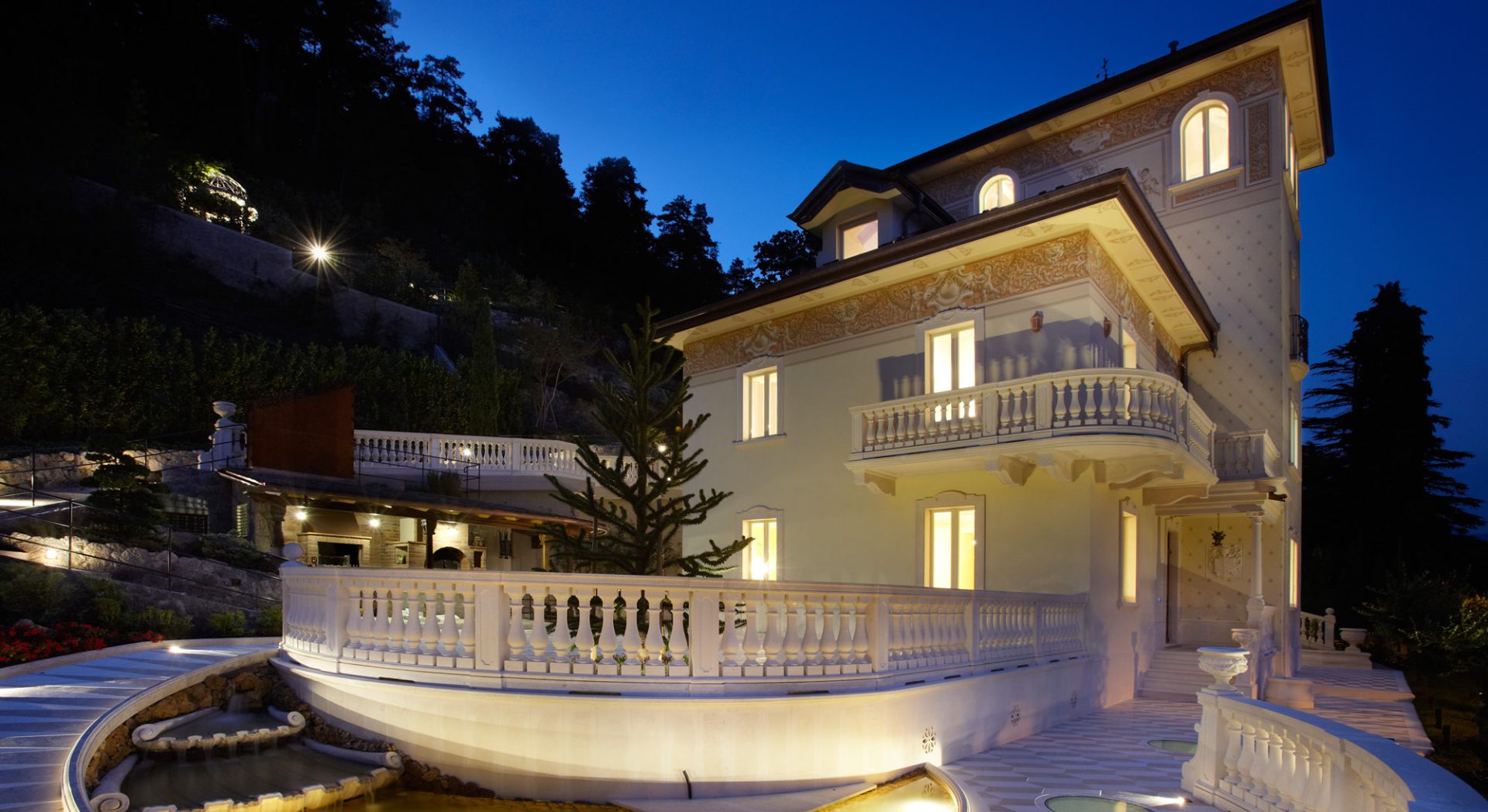
Stone in architecture is a vivid example of how a bond can be indissoluble. Since his appearance on earth, man has been faced with this material. He immediately intuited its potential and discovered it through a learning process lasting thousands of years; first as a tool and then as an object suitable for the creation of simple artifacts (walls, embankments, mounds).
From that moment, in the Neolithic period, man never stopped investigating the applications of stone. Architecture became the imaginary bridge that united human creativity and spiritual tension with the resistant and durable composition of stone.
While wood and clay represented short-lived materials, ephemeral in their substance, stone stands out for its resistance, its thousand shades of color, and the luster of its forms. From it, increasingly refined sculptors have been able to “bring out” unparalleled works of art, transferring movement and feelings onto the stone, making it come alive.
Even today, thousands of years later, architecture cannot do without stone. Architectural elements, from the most common such as door and window fireplaces, to the most sophisticated such as columns and balustrades, take life from the stone, assuming its tones and luster, and bringing its textures and veining to the surface.
From this perspective, Vicenza stone is one of the most sought-after and utilized materials in projects. Only the care and experience of quality craftsmanship can interpret new requirements while respecting the rules of tradition.
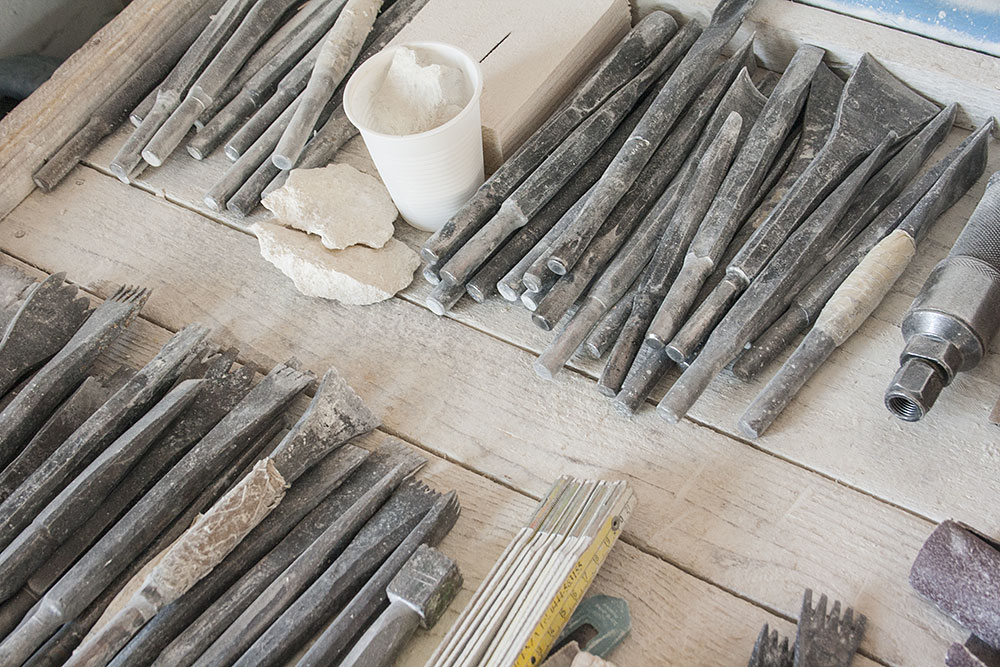
For this reason, when discussing stone in architecture, a third element should always be added: craftsmanship. There can be no true architecture if the stone is not transformed by those who know every aspect of that material.