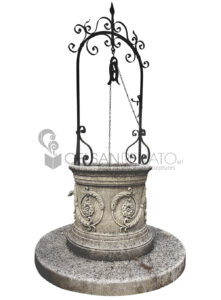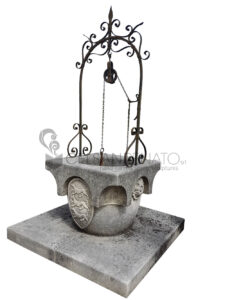


If you have visited Venice, you will certainly have noticed them. The wellheads, found in the squares and courtyards of the palaces, stand out as true works of art, carved in stone by the mastery of stonemasons.
Wellheads are the visible part of an ingenious water network system that allowed Venice to supply itself with fresh water. It may seem like a contradiction but, as the Venetian chronicler Marin Sanudo noted, the city of the Doges “was in water but without water.” Founded on (salt) water, it was actually devoid of fresh water, which had to be sourced either in the Lido area or by treating and storing rainwater.
To sufficiently supply its citizens with drinking water, a dense rainwater collection system was created. Filtered through sand and channeled into large wells, the water was then drawn by Venetians through the wellheads. From the introduction of this system until its maximum expansion, approximately 6,000 wellheads were built. The “Pozzeri” were commissioned for their construction—a true “caste” of stonemasons specialized in carving wellheads, who passed down their knowledge from father to son.
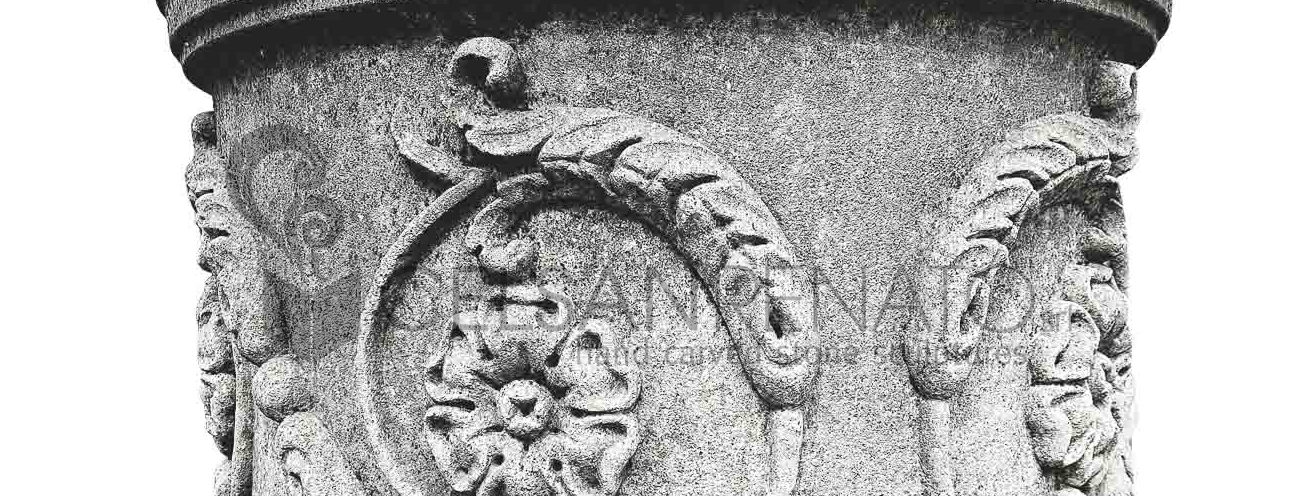
An element of public utility but also of urban decor, wellheads remain objects of great artistic value today. To name but a few, we can recall the bronze ones in the Doge’s Palace and the work created by the sculptor Bartolomeo Bon at Ca’ d’Oro.
Even today, stone wellheads remain a “proving ground” for every stone artisan. For this reason, we are particularly proud of our collection of stone wellheads that still decorate gardens and courtyards today, blending stone and metal in a display of tradition that has never ceased to inspire since the days of the Serenissima.